
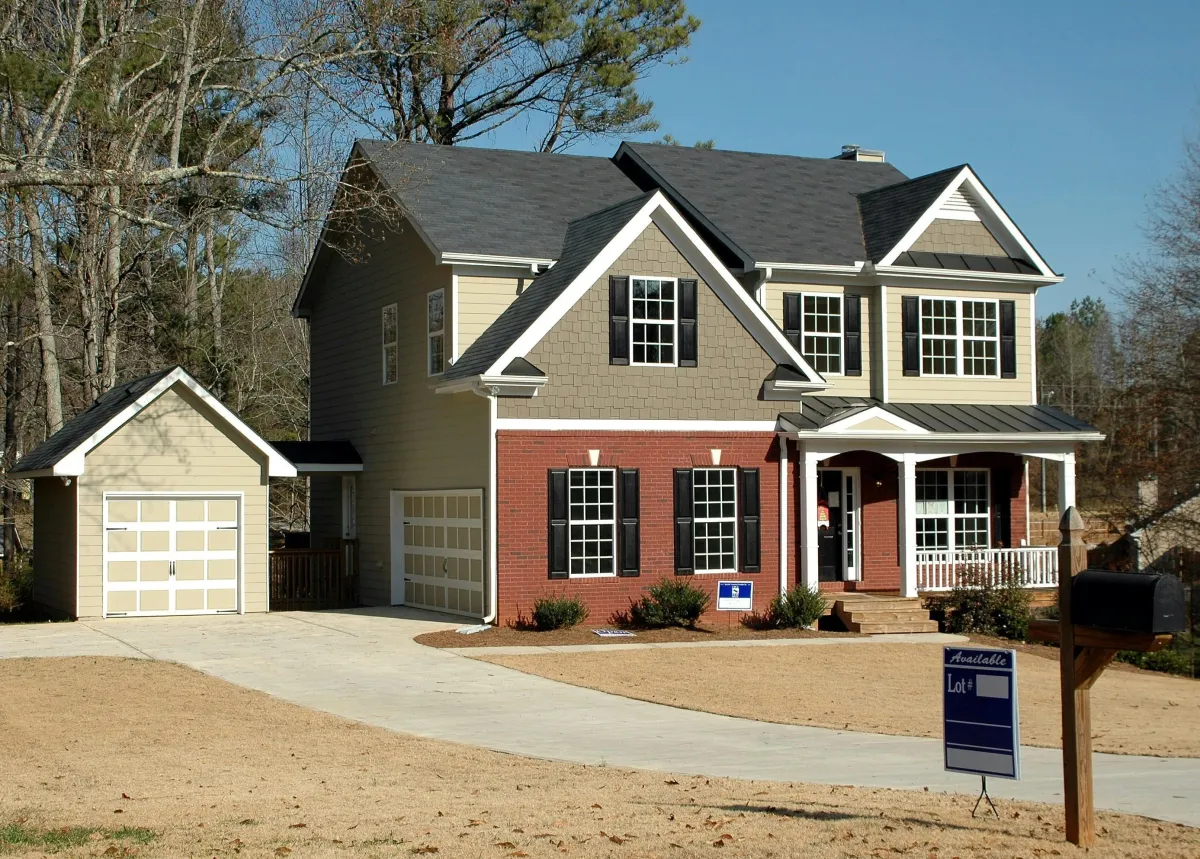
Understanding Garage Conversions
Converting a garage into a livable space is one of the most cost-effective ways to expand your home’s functionality without building a full addition. Whether you want to create a home office, guest suite, playroom, or home gym, this type of remodel can greatly enhance how you use your home while increasing its value. However, it’s important to understand that garage conversions require more than just cosmetic updates. You’ll need to follow local building codes, zoning laws, and safety regulations to ensure your project is fully legal, structurally sound, and eligible for resale down the road.
Check Local Zoning and Building Codes
Before you start planning, research your city or county zoning rules to make sure a garage conversion is allowed in your area. Some neighborhoods, especially those with homeowners’ associations (HOAs), have restrictions on converting garages into living space.
When reviewing your local codes, check for:
- Zoning designations: Confirm that your property allows residential expansion or conversions.
- Minimum square footage and ceiling height: Living spaces often have specific size and height requirements.
- Egress and ventilation: Rooms used for sleeping or daily living must have adequate exits and airflow.
- Parking requirements: Some cities require you to maintain a certain number of covered or off-street parking spaces.
By verifying these rules early, you can avoid costly redesigns or fines later in the process.
Obtain the Necessary Permits
Securing the right permits is essential to make your garage conversion legal and insurable. Skipping this step might save time upfront, but it can create major problems when selling your home or filing an insurance claim.
Depending on your project’s scope, you may need permits for:
- Building and structural changes (like adding walls, doors, or windows)
- Electrical upgrades (including new outlets, lighting, or wiring)
- Plumbing installations (if you’re adding a bathroom or kitchenette)
- HVAC modifications (to extend heating and cooling into the new space)
Each permit ensures your work meets local safety and building standards, giving you peace of mind and long-term protection.
Plan for Utilities and Insulation
A comfortable living area needs proper insulation, lighting, and climate control. Garages aren’t originally designed for habitation, so converting one means addressing several key components. Start by adding insulation and drywall to the walls, ceilings, and floors to keep the space comfortable year-round. For heating and cooling, you may need to extend your existing HVAC system or install a mini-split unit for independent temperature control. Electrical upgrades are often necessary as well, including new outlets, lighting, and possibly an updated breaker panel to handle the increased load. If your remodel includes a bathroom, laundry area, or sink, professional plumbing installation will be required to ensure everything functions properly. Taking time to plan these utilities ensures your converted garage feels like a true part of your home, not an afterthought.
Design for Functionality and Aesthetics
Once the structural and legal requirements are handled, focus on how you want the new space to look and function. The goal is to make the converted garage blend naturally with your home’s interior design and layout.
Consider:
- Replacing the garage door with an insulated wall and windows for natural light
- Installing durable flooring like luxury vinyl plank, tile, or engineered wood
- Adding proper lighting, paint colors, and finishes that match your home’s aesthetic
- Creating built-in storage or multi-purpose areas to maximize usability
A well-thought-out design transforms your garage into a seamless extension of your living space, functional, stylish, and comfortable.
Work with a Licensed Remodeling Contractor
Garage conversions require expertise in multiple areas: structural framing, electrical, HVAC, and local code compliance. Hiring a licensed remodeling contractor ensures everything is done correctly and legally.
A professional contractor will:
- Review your plans and confirm what permits are needed
- Coordinate inspections and approvals with local authorities
- Handle construction safely and efficiently
- Recommend materials and layouts that maximize comfort and property value
With expert guidance, you’ll avoid the common pitfalls of DIY remodeling and gain confidence that your new space meets all legal standards.
At Metro Atlanta Roofing and Remodeling, we specialize in turning underused garages into beautiful, functional living spaces that meet all local building and zoning codes. From planning and permits to construction and finishing touches, our team ensures your project is handled with care, precision, and full compliance.
If you’re ready to transform your garage into a legal, livable space that adds comfort and value to your home, contact Metro Atlanta Roofing and Remodeling today for a personalized consultation. We’ll help you bring your vision to life, safely, beautifully, and by the book.
📞 Call us today (470) 538-1729